
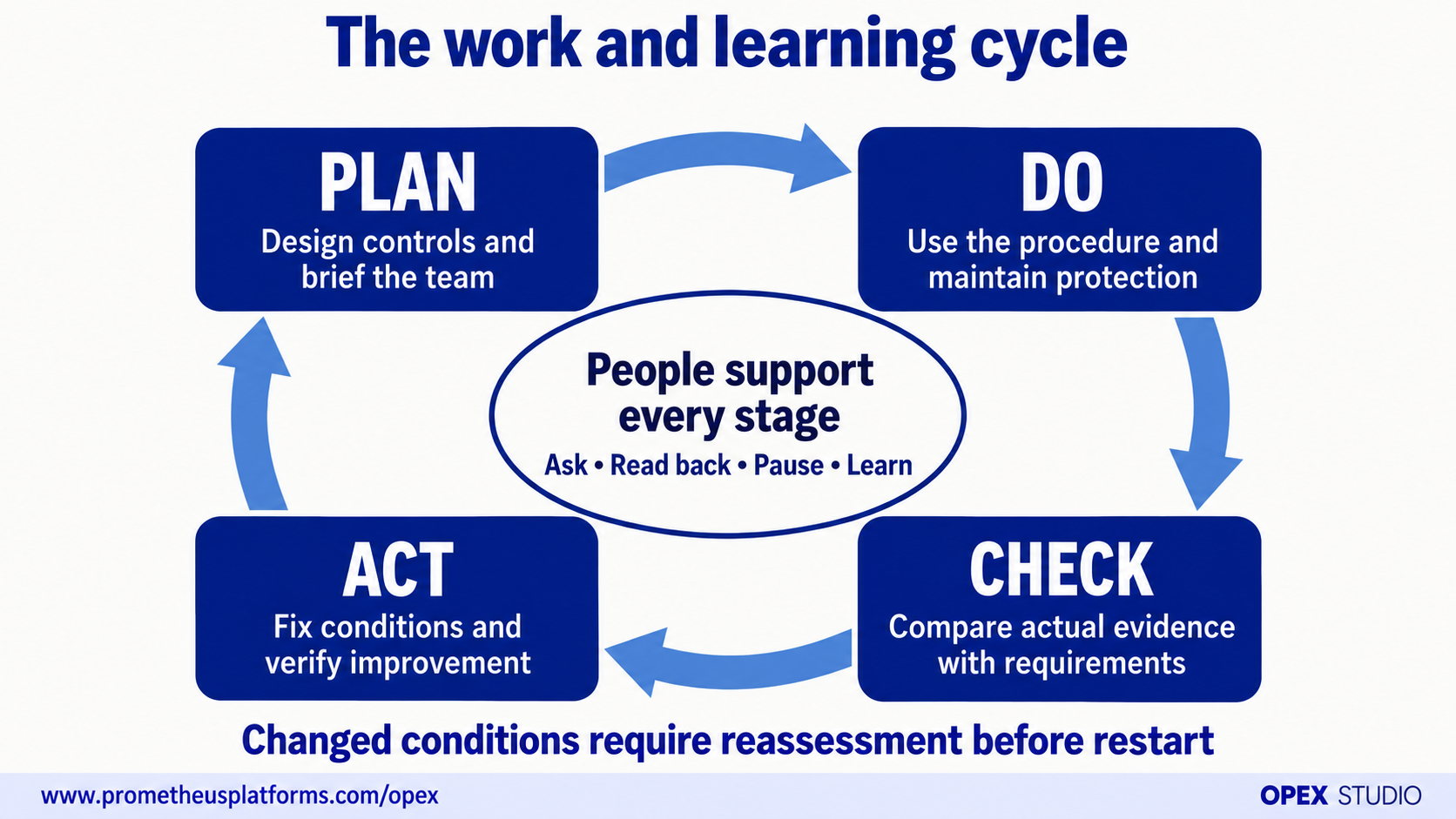
What you will take awayPut critical controls in place. Check that the protection works before and during exposure.
Use the Critical 8 as an organizing system
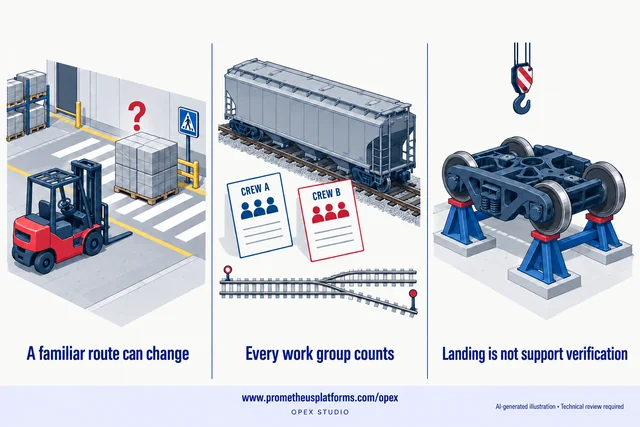
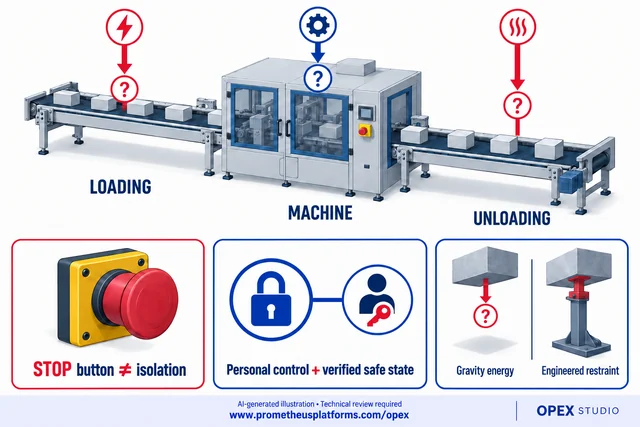
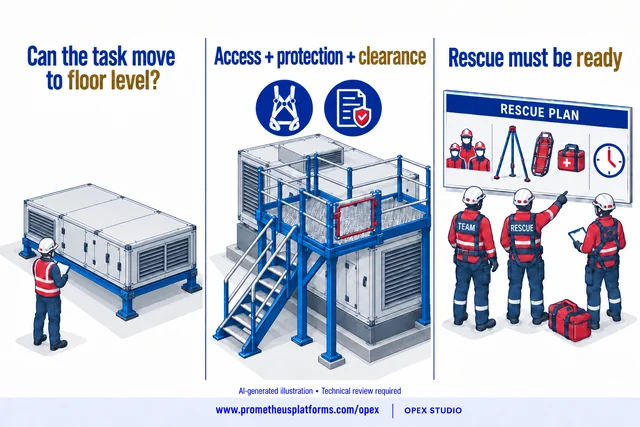
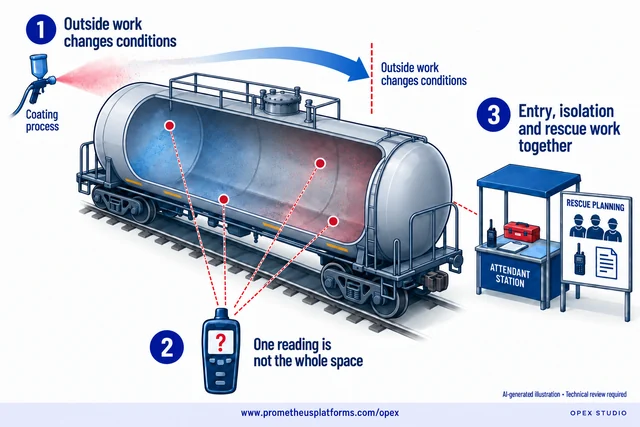
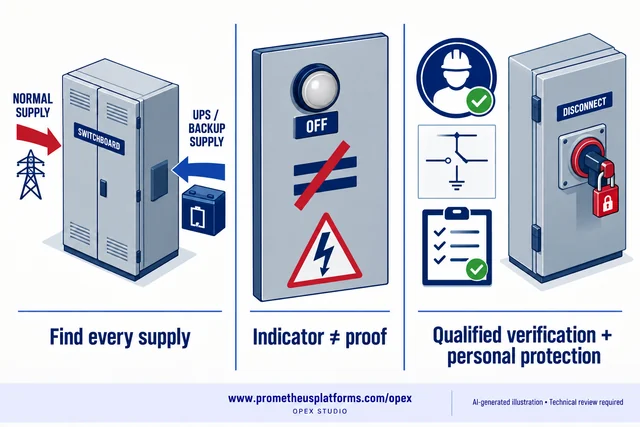
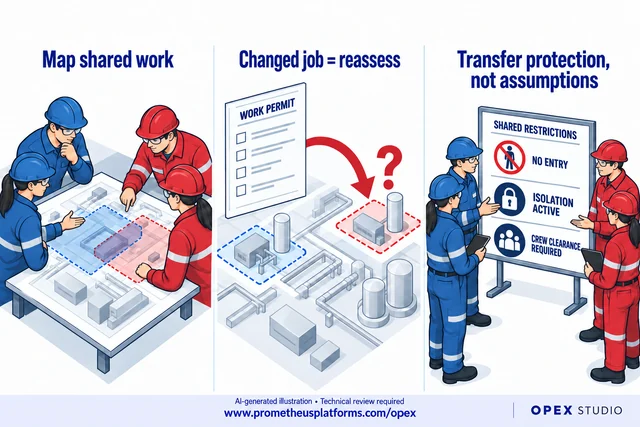
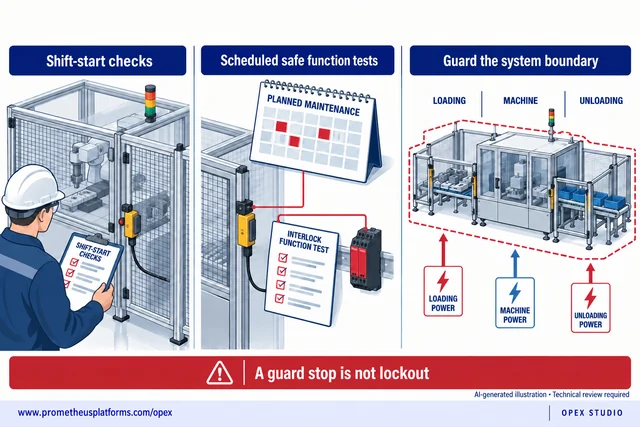
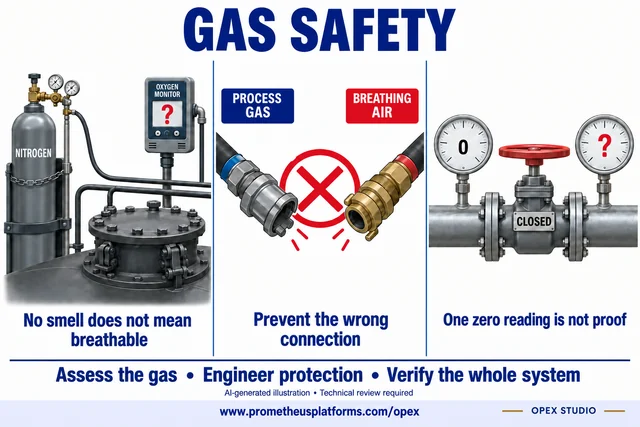
The eight topics are mobile equipment, lockout tagout, working at height, confined spaces, electrical safety, contractor controls, machine guarding and gas safety. They organize ownership and teaching rather than limit hazard discovery. Rail movement, lifting, pressure, stored energy, fire and simultaneous work cross these boundaries.
Identify the unwanted event and the protective functions needed for the actual task. Not every document or activity is itself a critical control. Training, maintenance and supervision can support a control; show specifically how they sustain its performance.
Make the control testable
For each selected control, state the required performance, operating limits, dependencies and signs of deterioration. Assign an accountable owner and define competent implementation and verification roles. The accepted criteria and safe checking method must be specific enough to distinguish working, failed and unknown conditions.
Swipe or scroll across the diagram →
| Control-card field | Question it answers |
|---|---|
| Protective function | What unwanted event or consequence does this address? |
| Performance and scope | What must the control do, for which asset and conditions? |
| Verification | What evidence is required, by whom and at which trigger? |
| Failure response | What work stops and who resolves the gap? |
| Change and review | What changes require reassessment and renewed acceptance? |
Separate completion, implementation and effectiveness
A training attendance record shows attendance. An installation record shows work was recorded as complete. Neither alone proves that the protective function meets its requirements. Examine the actual accepted evidence and observe whether protection remains effective in use.
Task-level verification occurs before and during the relevant work. Owner checks examine performance and deterioration over time. Independent assurance challenges the quality of the system and its evidence. Their timing, competence and independence should fit the control; more signatures do not automatically add assurance.
Practise: a closed action with an unresolved guard
An action register says a guard repair is complete, but the required function-test evidence is absent. The weekly dashboard is green. Should the team treat the machine as ready?
Feedback: no dashboard color or completion percentage fills the evidence gap. Retain the relevant restriction and have the control owner establish the actual condition using the approved safe method. Record missing evidence as Unknown rather than silently treating it as satisfactory.
Changed condition: the function is verified, but the defect recurs on the next shift. Reopen the issue, protect the affected work and investigate design, maintenance and use. Effective closure needs evidence that the remedy addresses the cause and remains effective, not merely a revised due date.
Learning material for team discussion. Apply your site’s approved procedures, competent-person assessments and applicable requirements to actual work.
Take this learning to the team
Choose the language and format for your session. Review drafts with your safety and operations leads before adapting them to local work. A download is learning material, not authorization to perform a hazardous task.
English resources
- Critical controls learning module (PPTX, 187 KB) ↓Teaching and local review edition · v1.0
- Learner practice workbook (DOCX, 11 KB) ↓Teaching and local review edition · v1.0
- Facilitator discussion guide (DOCX, 12 KB) ↓Teaching and local review edition · v1.0
Sources & further reading
Use the original source to check its scope, terminology and current requirements.