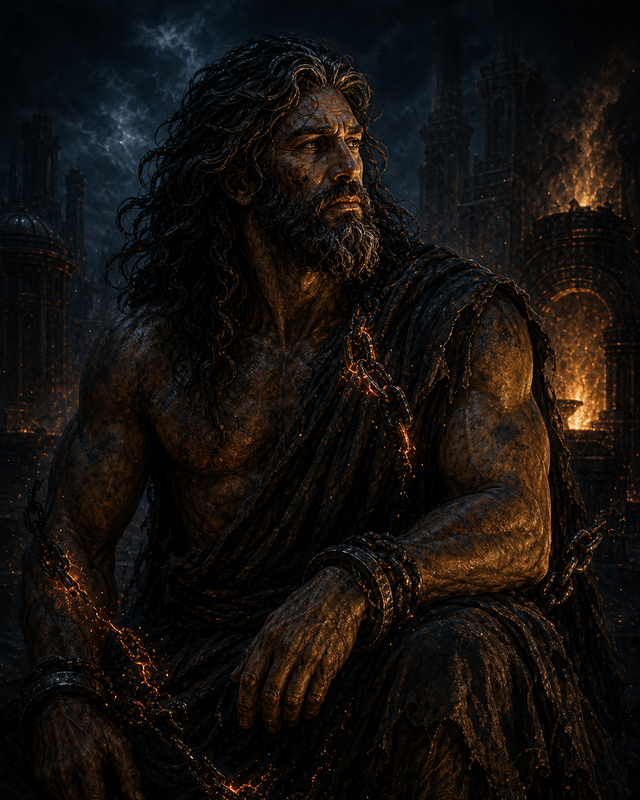
Prometheus
Clever, patient, compassionate, and quietly defiant. He knows fire will cost him everything. He gives it anyway.
Prometheus Chronicle
Before temples, kings, and scoreboards, there was Chaos. Zeus turned order into control. Prometheus turned fire into tools, systems, and the first stubborn idea Olympus could not repossess.
Launch the Game
The player begins inside Zeus's storm, breaking Titan shields and calling charged divine strikes. At first it feels like service to divine order. Then the backdrops begin to argue back: the old order was violent, Zeus's victory became control, humans were cold, and Prometheus saw a future in them that Olympus wanted to keep locked away.
Every hundred levels moves the myth forward. Chaos forms, Titans rise, Zeus claims the throne, fire leaves Olympus, punishment falls, civilization advances anyway, and the final forge turns stolen flame into tools, systems, and platforms.
Cast
Clever, patient, compassionate, and quietly defiant. He knows fire will cost him everything. He gives it anyway.
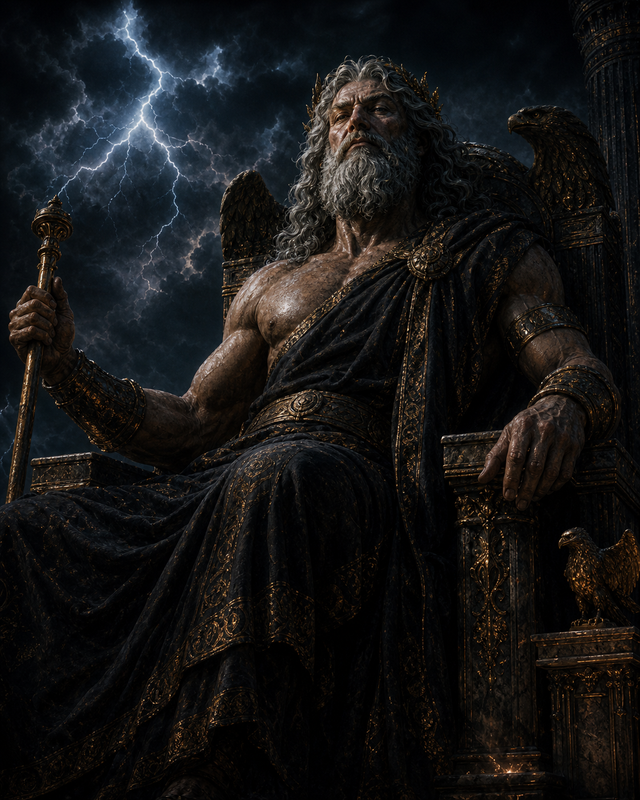
Majestic, insecure, theatrical, and very sure that divine order should route through his office.
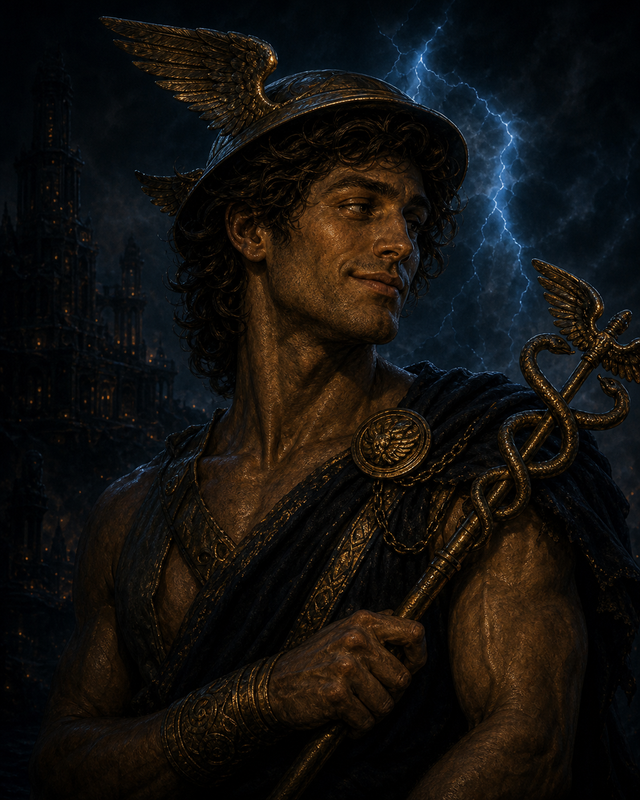
The messenger explains the crisis with suspicious speed and enjoys the drama slightly more than he admits.
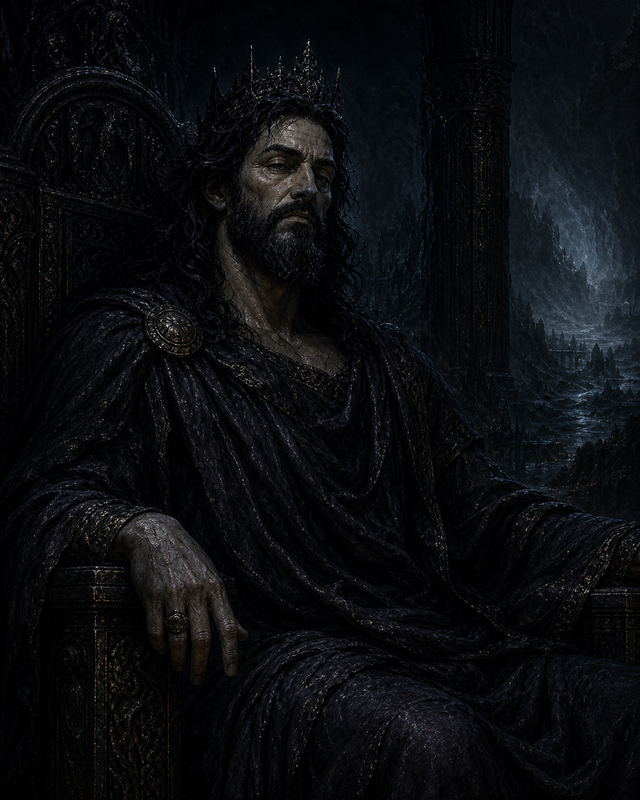
Dry, unimpressed, and probably the most reasonable god present. Another thunder tantrum? Very statesmanlike.
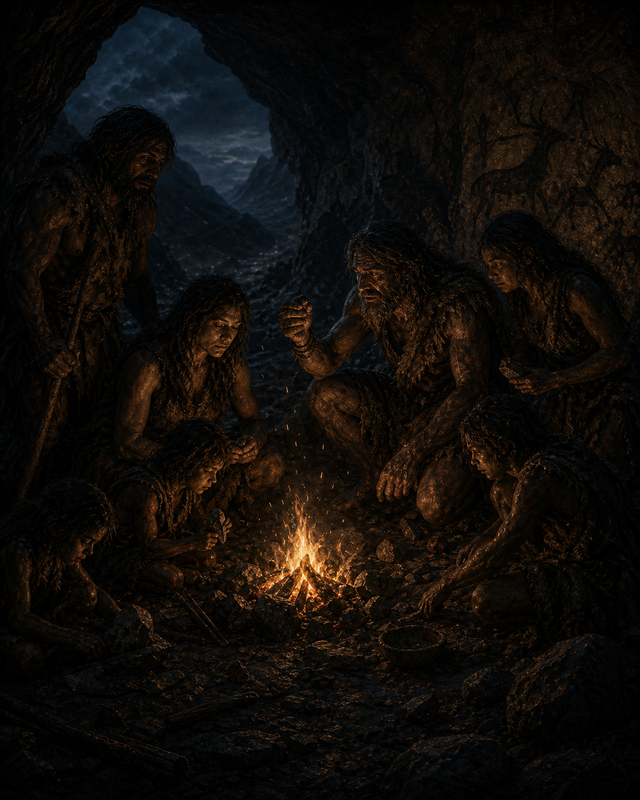
Cold and fragile at first. Then warm, curious, ambitious, inventive, and nearly impossible to manage.
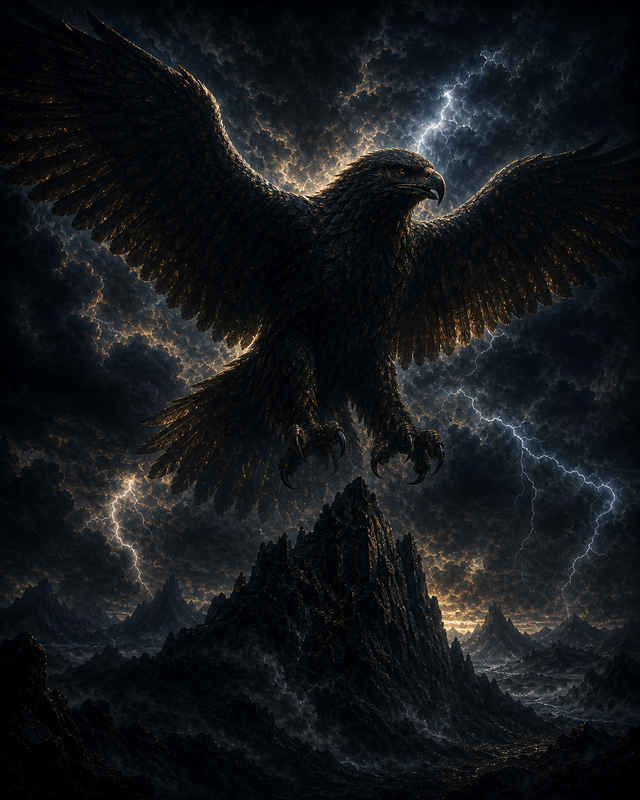
Zeus's punishment arrives as an omen and a shadow. The myth stays brutal, but the image stays symbolic.
Titan shields are remnants of the old order. Zeus Mega Thunder is divine punishment shaped into the original Star Killer special pattern. Power-ups are favor, prophecy, forge energy, and stolen fire. Level progression is the myth unfolding behind the board, one dark chapter at a time.
Keep your eyes on the storm. Every bolt, shield, favor, and charged burst is another sign that Olympus can punish the theft, but it cannot call the fire back.
Arcade Comic

Before gods, kings, temples, or very confident thunder policies, the world is only darkness, sea, mist, and pressure. Nothing has a throne yet. Nothing has a name. The universe is still deciding whether order is worth the paperwork.

The Titans ruled first, and Zeus did not ask politely for a transition plan. He took the storm, broke the old order, and learned the dangerous lesson every new ruler loves: if lightning solved one problem, perhaps it can solve all of them.

Humans arrive fragile, frightened, and deeply unimpressive to anyone measuring value by thunder output. Prometheus looks closer. He sees hands that could shape tools, minds that could remember, and a species just warm enough to become dangerous.
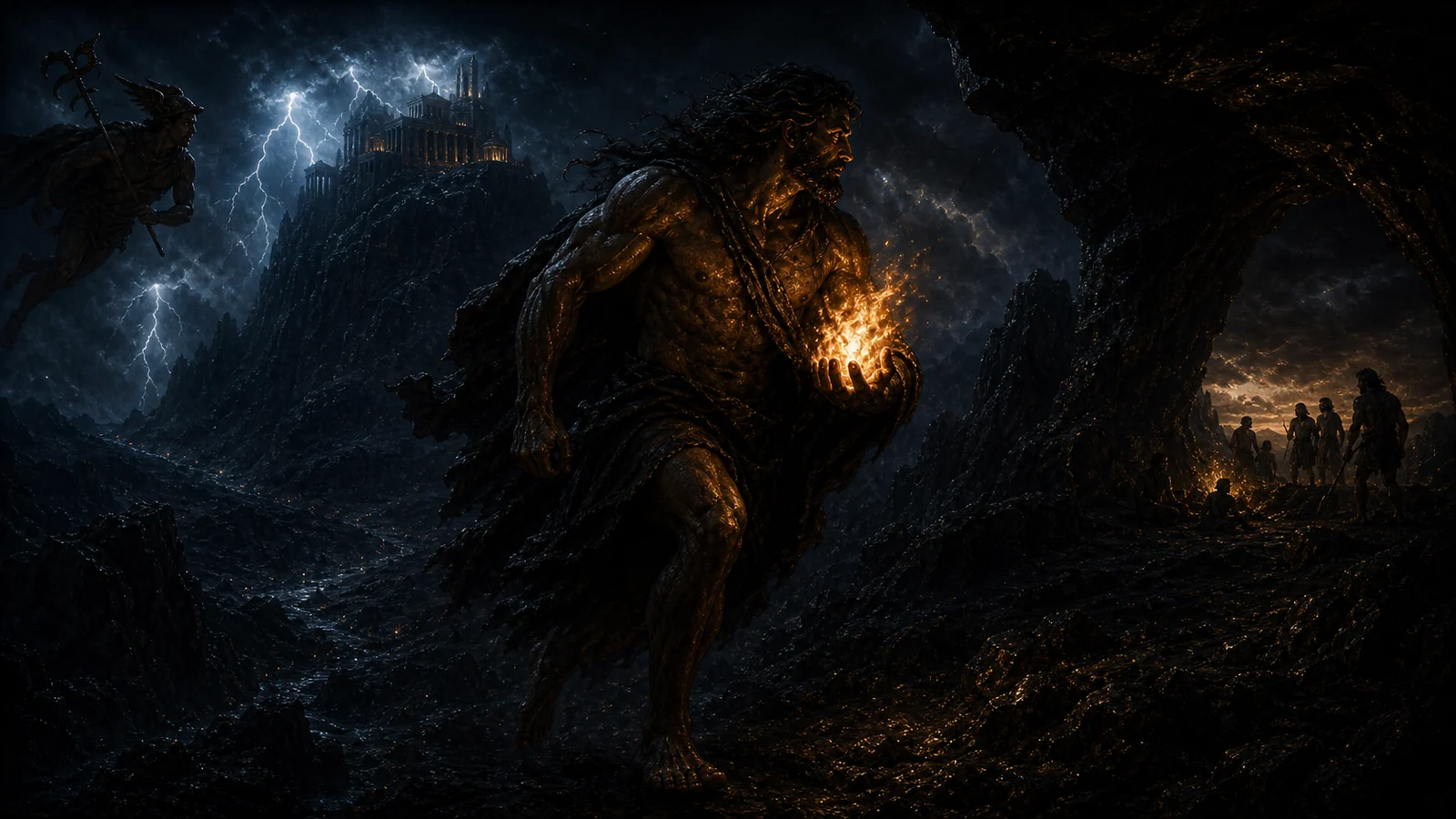
Prometheus does not stumble into rebellion. He understands the cost, takes the flame anyway, and moves before the storm can close. Zeus will call it theft. Prometheus will call it progress. Hermes, seeing the route, will call it a developing situation.

Fire changes everything quietly at first. Cold becomes warmth. Fear becomes curiosity. Food becomes cooking, sparks become craft, and the first tool suggests the next one. Olympus has lost more than a flame; it has lost exclusive control of possibility.

Zeus notices humanity has stopped freezing and immediately demands to know who approved the feature release. Hermes provides an unusually fast summary. Hades, from a sensible distance, observes that public embarrassment has once again become a weather event.

Chains are forged because Zeus needs the punishment to look permanent. A mountain waits because spectacle matters. Prometheus does not apologize. He gave humans fire knowing the invoice would arrive, and Zeus mistakes the invoice for victory.

The eagle returns each day. Each night Prometheus heals. The myth is brutal, but the meaning is endurance: Zeus can repeat the punishment, but he cannot make Prometheus regret the fire, and he cannot make humans forget how to use it.

Forges glow. Ships rise from timber. Roads, tools, cities, and memory spread from one flame to another. Zeus can punish the Titan who carried fire down the mountain, but he cannot un-invent warmth, craft, language, ambition, or the suspicious habit of improving things.

The chains weaken because punishment is not the same as permanence. The eagle recedes, the storm breaks, and Prometheus stands wounded but unbroken. He has lost comfort, not purpose. Fire has already done what fire does: spread.

Prometheus does not return from suffering with a speech. He returns to the forge. Fire becomes tools, tools become systems, and systems become places where human imagination can stand without asking Olympus for a permit.

The final fire is not just heat. It is craft, connection, architecture, memory, and shared work. Power hoards. Fire spreads. Prometheus builds, and the future becomes too useful for Olympus to keep chained.
Line up the divine launcher, keep the board readable, and let the myth unfold one dark backdrop at a time.
Play Wrath of Olympus